We recently returned to Kenya. It’s been over twenty years since our first ever safari there. It was a very different experience back then. A very brief fly into the Mara, told through this earlier blog, led us to our love of Africa. It seemed fitting to choose our 20th year to return. This time to a very different experience of night hide photography, doors off helicopters, and early morning elephant encounters.
Amboseli’s famous elephants
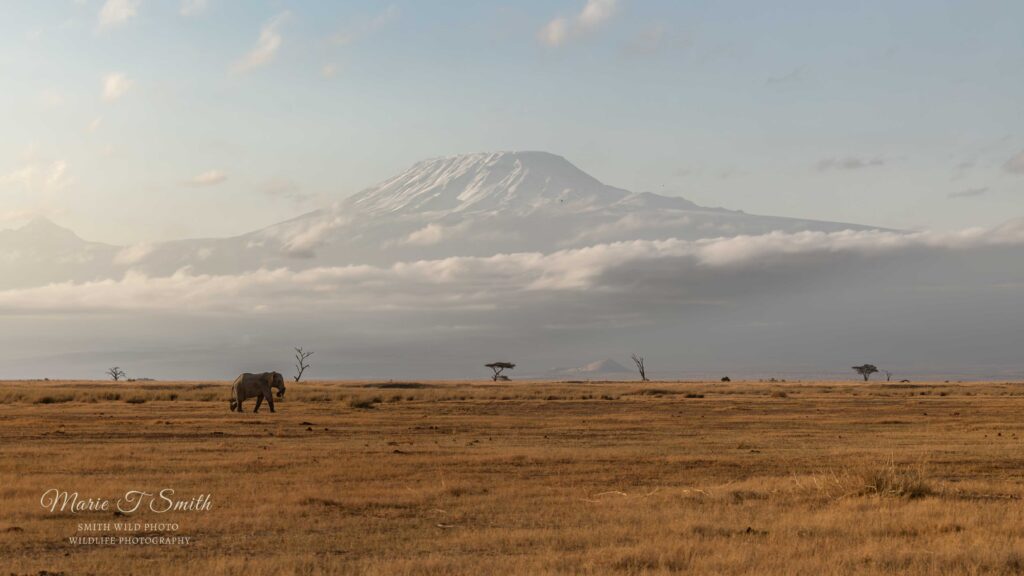
Amboseli is famed for it’s big tusker elephants and iconic Kilimanjaro backdrop. And so it also attracts a great many visitors.
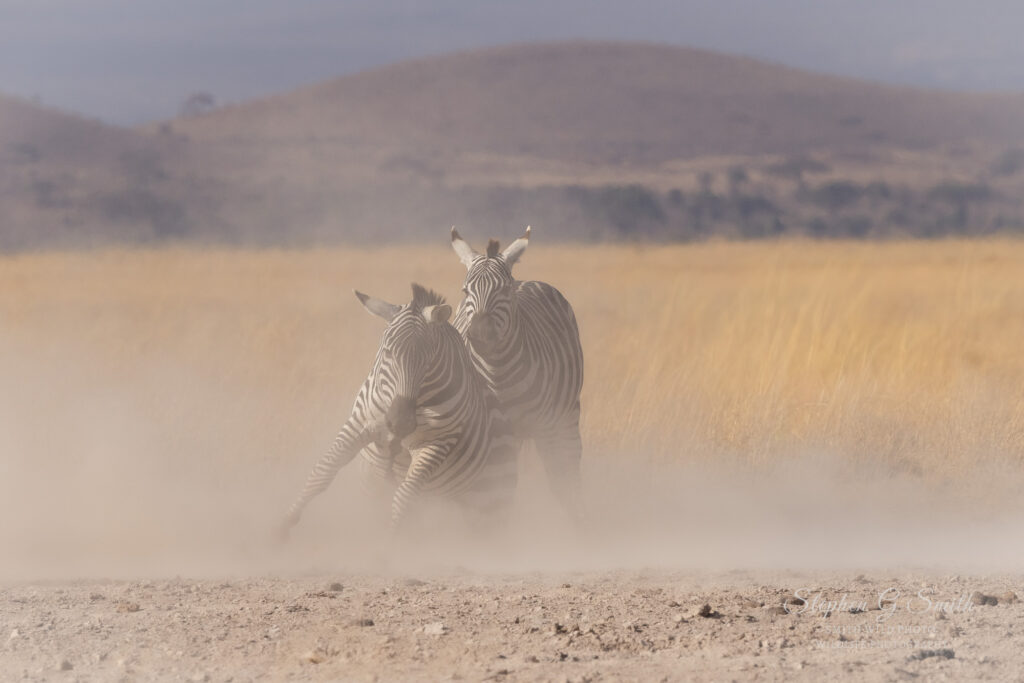
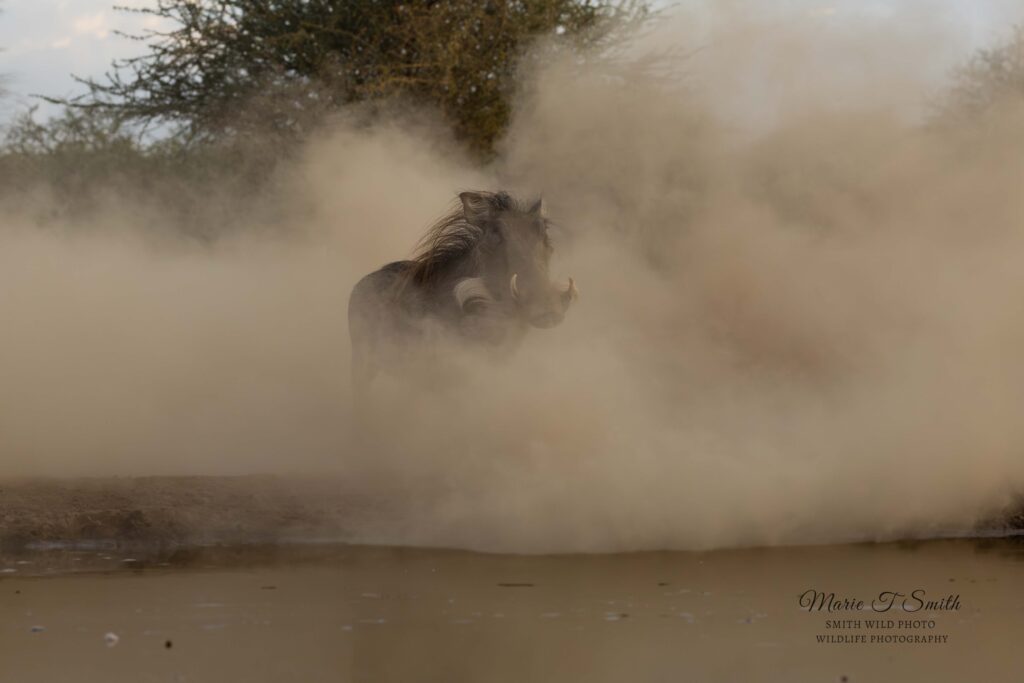
We were located inside the gates, thanks to Natures Images, our tour leaders. This gave us the advantage of being ahead of the crowds arriving once the gates open, and to linger, until the very last light, while they all make a dash for it before the gates close. In the dry season it’s a very dusty place. Creating some atmospheric photo opportunities.
But the tracks are incredibly sandy too. Being consumed by vehicle dust is definitely not romantic!
The other advantage of being inside the gates, is it allowed us to travel further. Having had our fill of the popular areas, and the sometimes many vehicles, it soon became our mission to find some of our own space whenever we could.
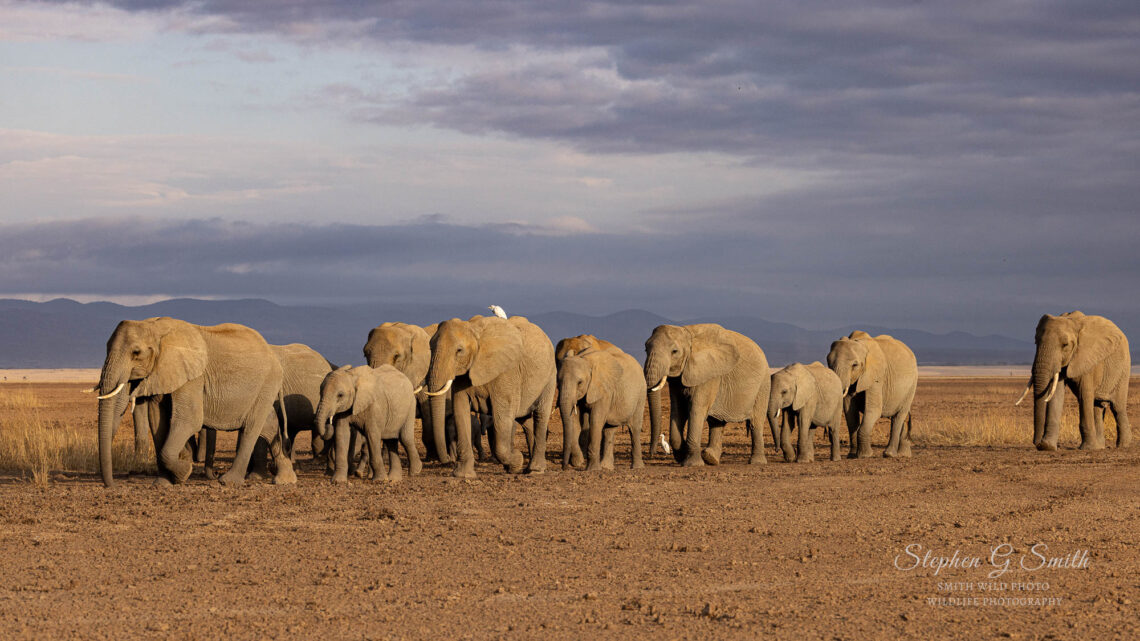
By day the elephants gather in family groups to fill their faces in the cool waters of the swamps. As the light fades, irritated by the mosquitos, they head out to the forests to rest. Each morning they return.
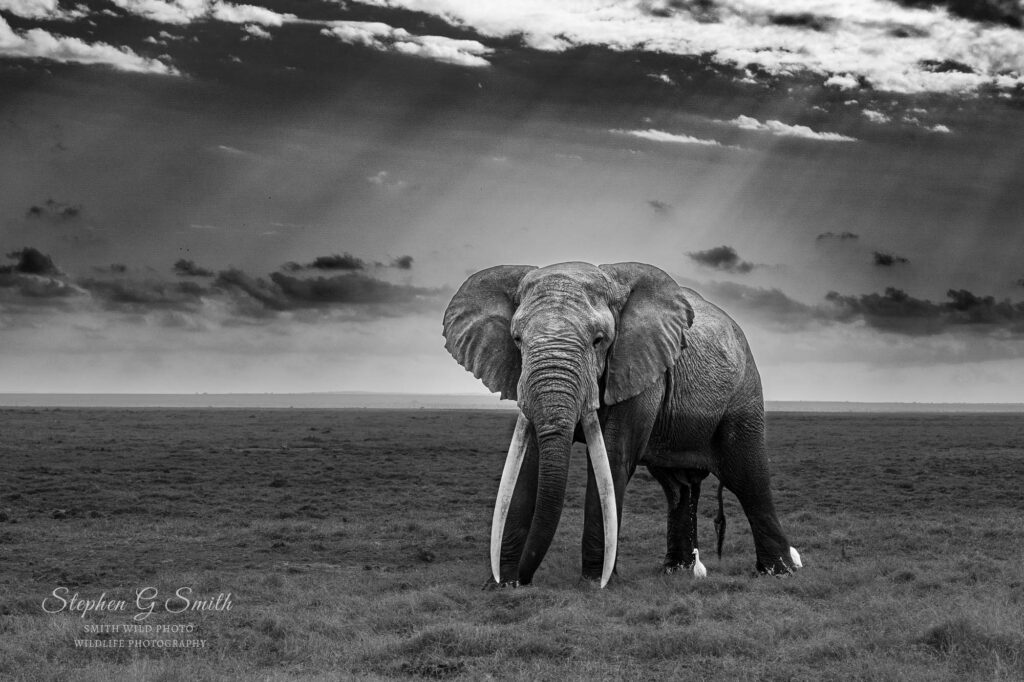
There is something pretty special about being the only vehicle, enjoying a quiet moment, as the elephants head back across the dry pans in the early morning. They move almost silently towards you. Just their breath and yours – if you remember to breathe.
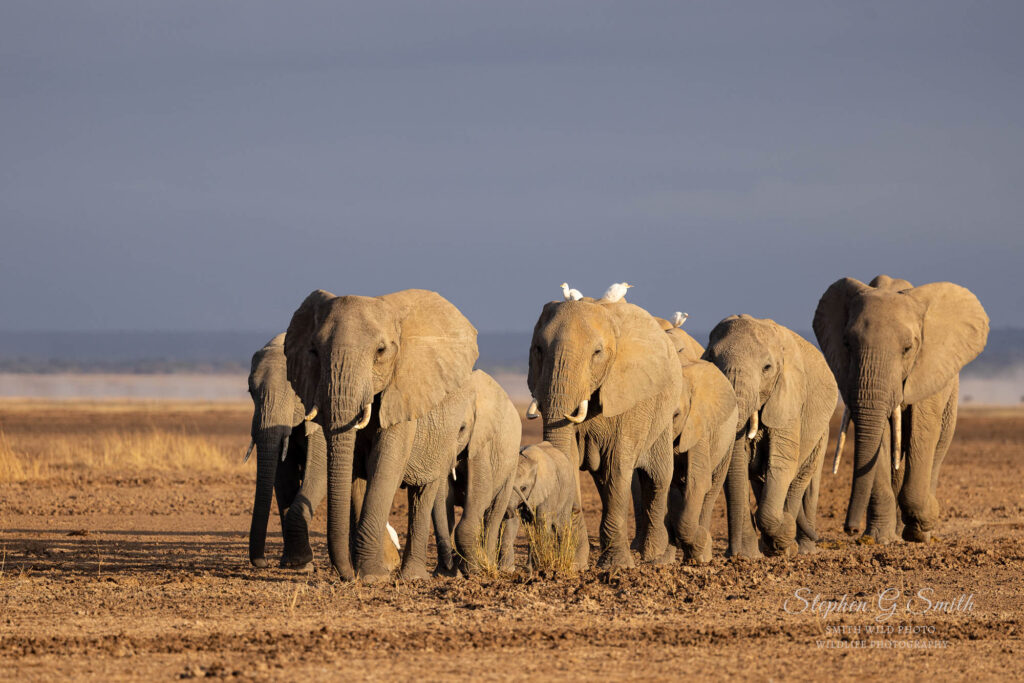
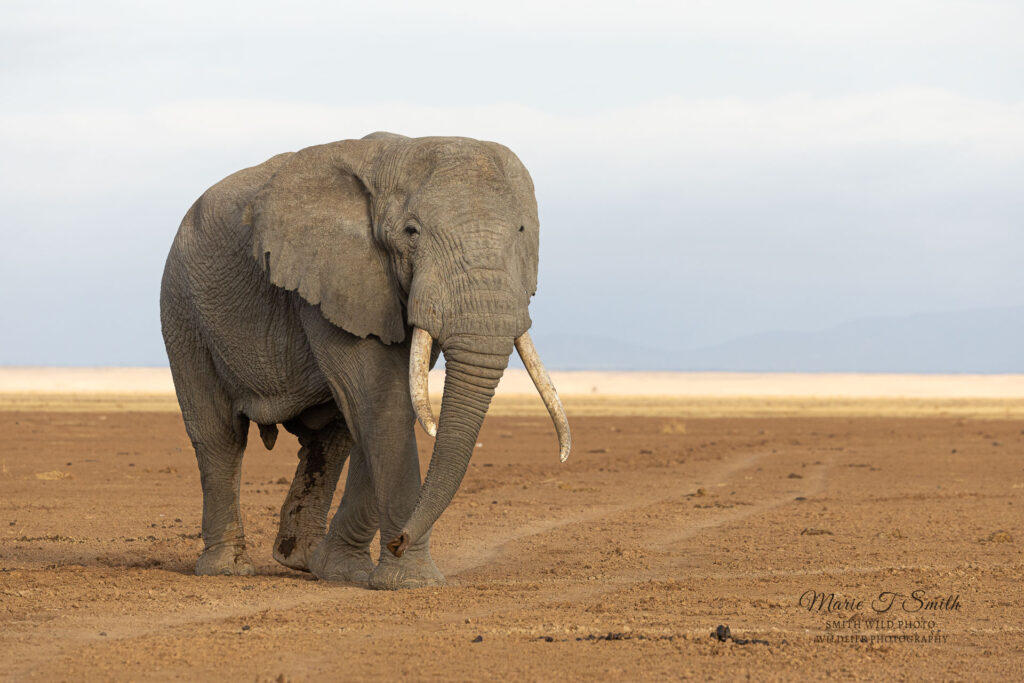
We opted to be in different vehicles for the duration. Divide and conquer. Giving us different opportunities. Although Amboseli was mostly about elephants – there were plenty of other sightings too. Sometimes we might end up back at the same location, but we would at least have different perspectives.
Albeit where there’s a cat there’s a crowd. And not always a respectful crowd.
But then there is no show without the supporting cast.
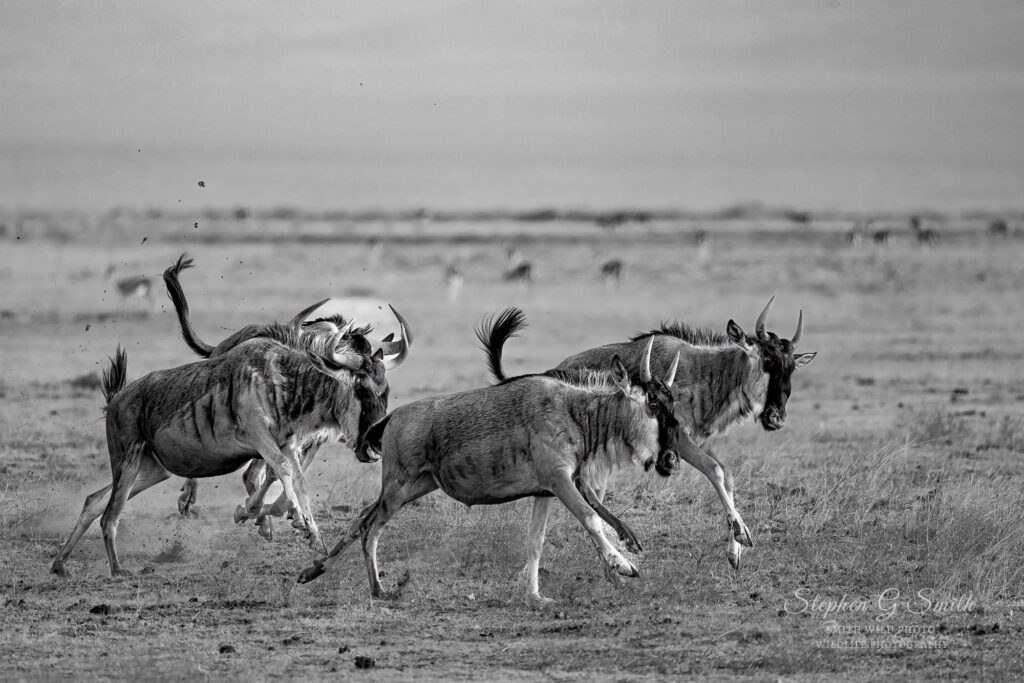
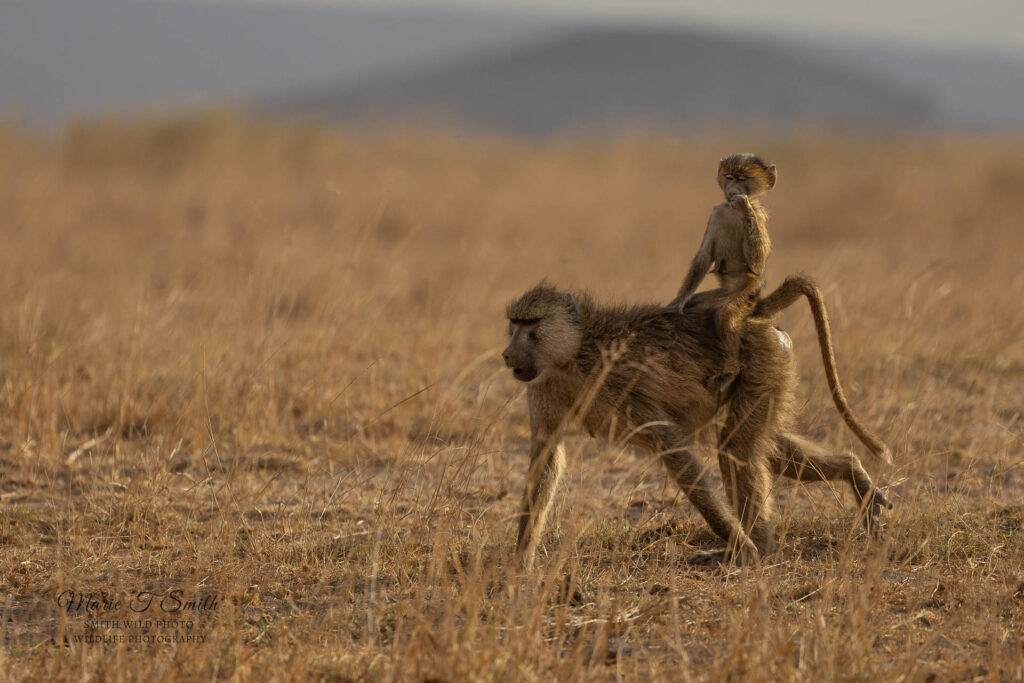
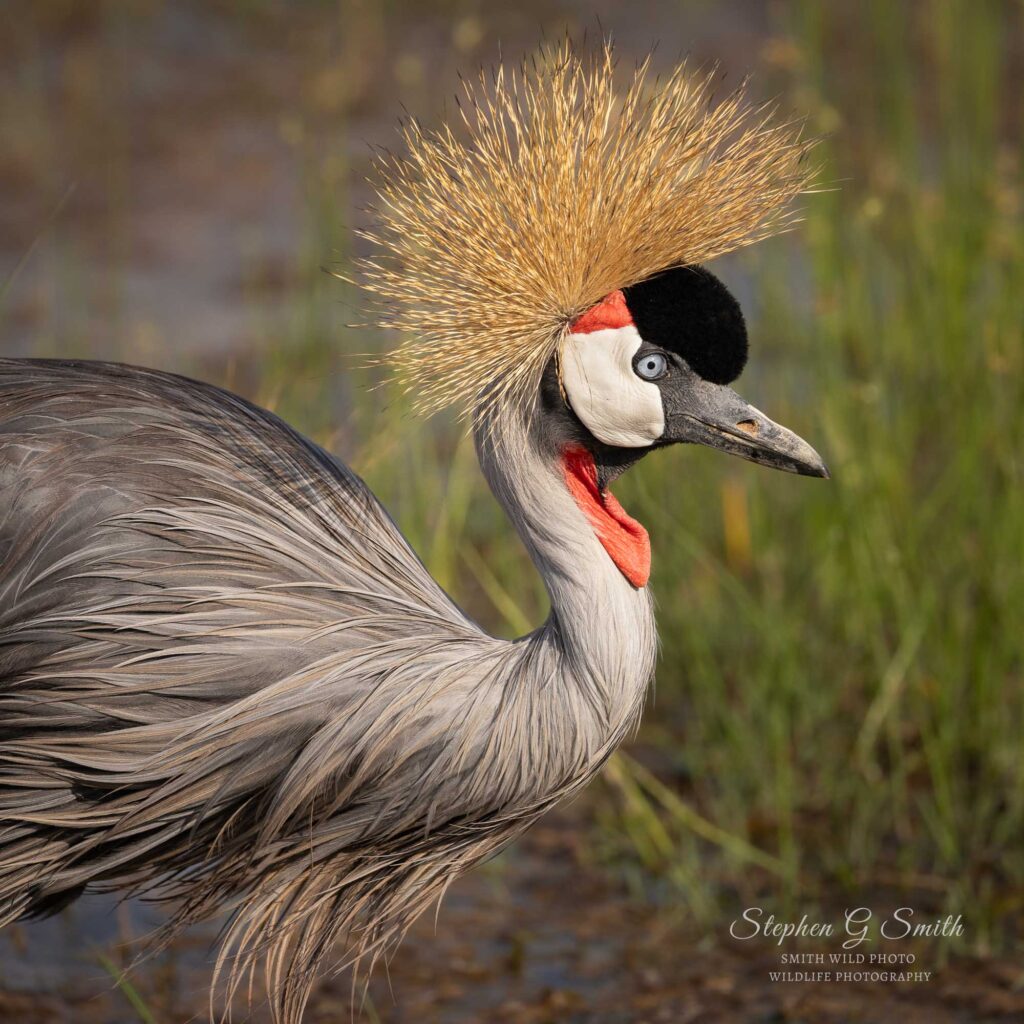
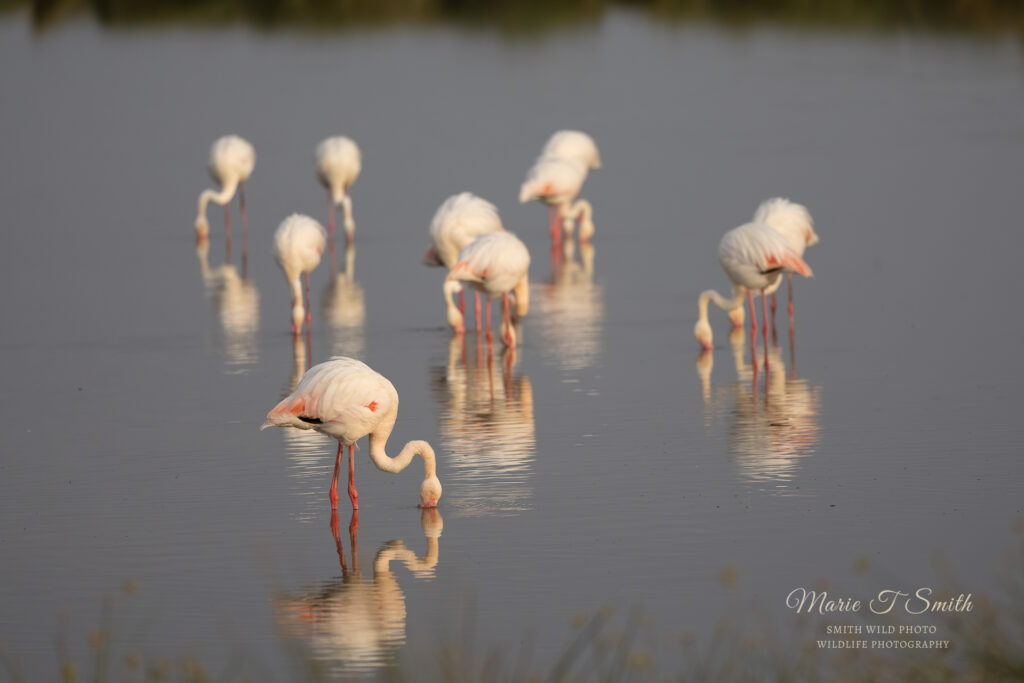
Hide and seek
This was very much a trip of two halves, with the second half seeing us flown into Shompole Wilderness. No game drives for us here – there simply wasn’t time. Between pulling all nighters in their Plains or Kichaka (bush) hide. Or flying higher than the birds over Lake Magadi and Lake Natron. In a helicopter. With no doors on. And snatching 40 winks.
Night photography is a new game for both of us. And not just figuring out what camera settings work for each light condition. Staying awake when things go a bit quiet can be tricky. We left camp each afternoon, crossing the river in a small metal boat propelled by a young Masai using only a rope strung across to the opposite bank. By the later sessions the water had become so low we were almost pulled and tugged and walked across, in our little tin can. Remember that – because it’s that lack of water that provided the entertainment at each of the hides.
Awaiting us on the other side were two vehicles to take us each to our overnight hide. Yes – we were sticking to the plan of splitting up – while trying to quell any FOMO!
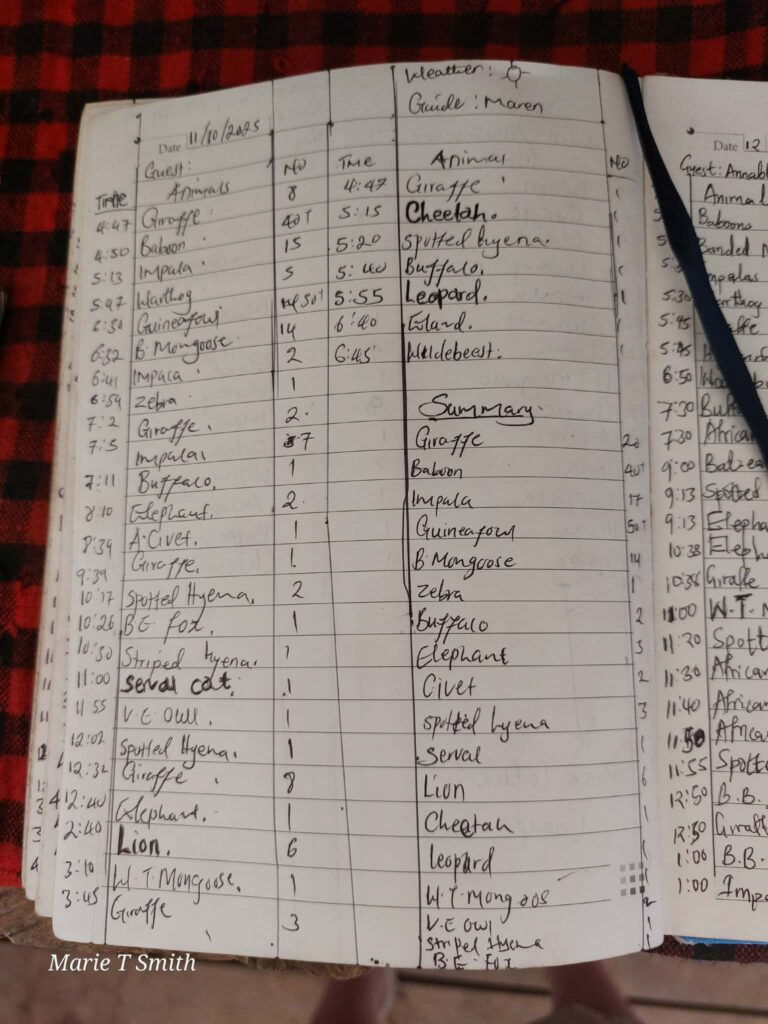
With a promise that neither group shares anything (there is wifi) until (our delicious) brunch the next day, and a cheery “good luck”, we set off through the sand and dust towards our home for the night. Once there, our (respective) Masai guides Maren and Jonathon opened up the hide. We, already drenched with sweat from the afternoon temperatures, were met with another wall of heat. Could this get any hotter?
But soon, we were inside, the fans were going and we took our seats ready for the night’s performance.
The stage – a waterhole bringing subjects so close you couldn’t help but hold your breath. Could they sense us? Could they smell us? After all, there was nothing except a mesh curtain between us and them.
Ask Steve about the snake when you see him.
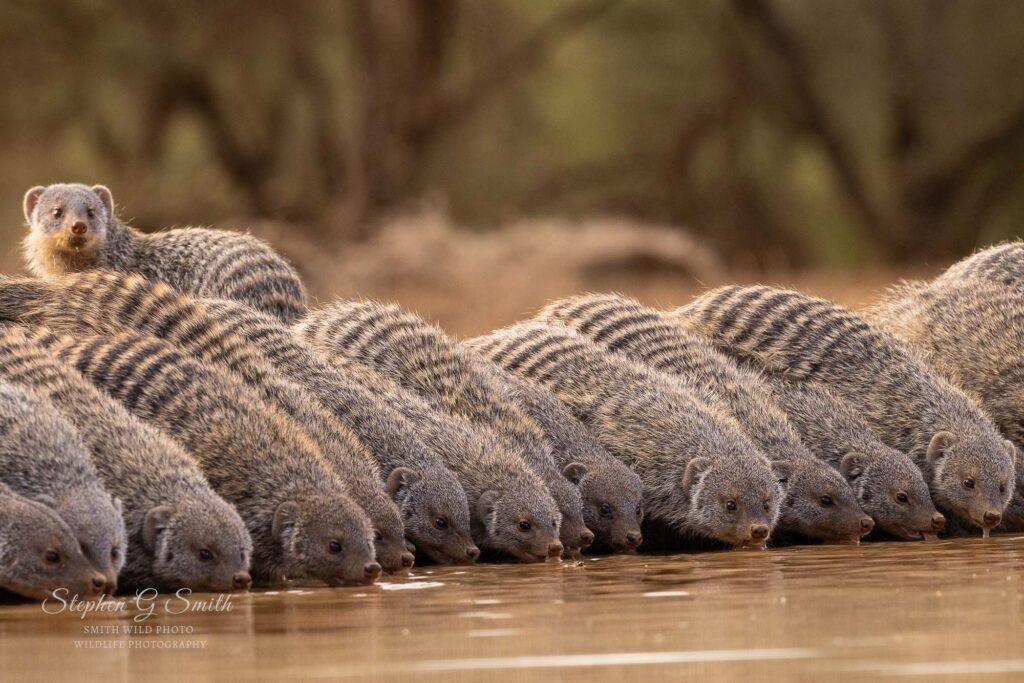
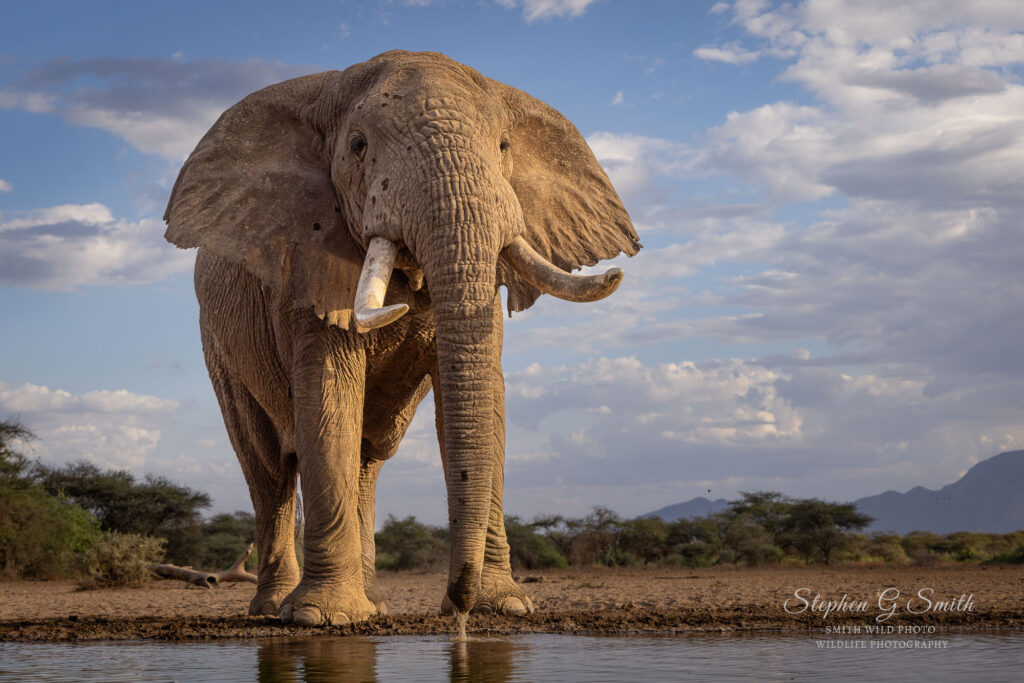
Then the all important back drop – the very dust we had cursed (and had worn since arriving).
Snacks and drinks ordered, we eagerly awaited the first act. As the golden light began to appear the chorus line warmed us up with rousing energetic crowd pleasers. Mongoose, impala, guinea fowl, baboon, warthog, oxpeckers, waterbuck, and then zebra, giraffe, elephant giving us a tease of the main performance to come.
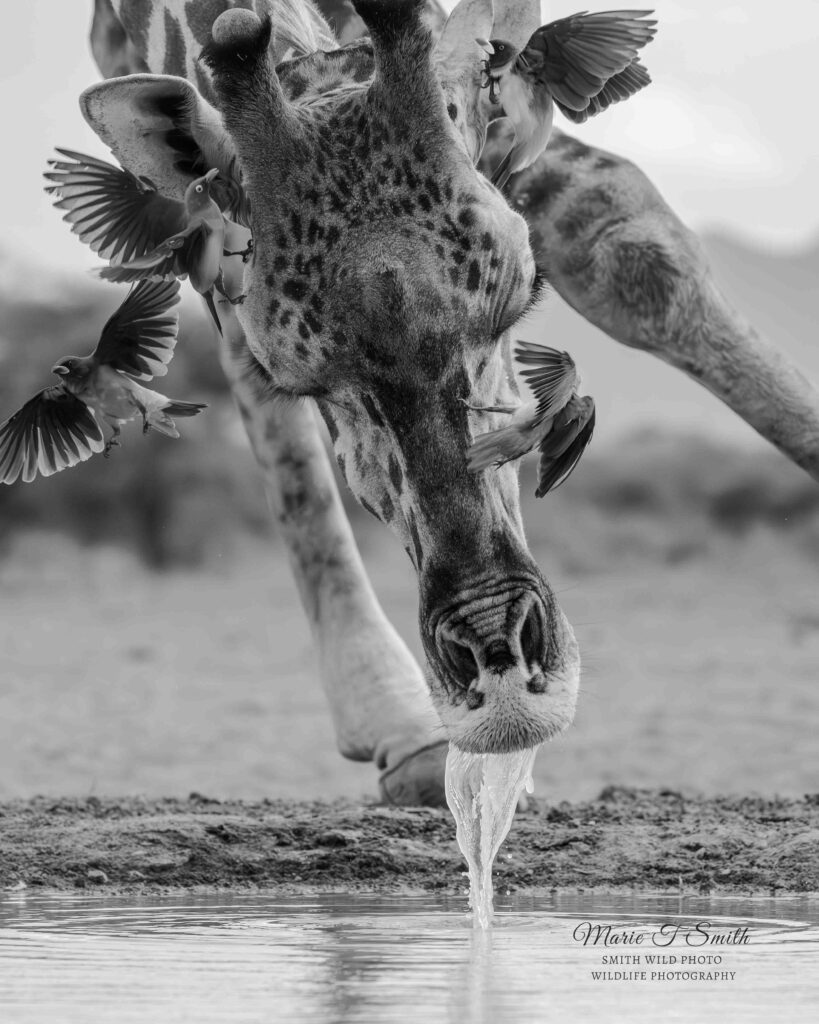
Then as night fell the curtain was raised and it was time for the stars of the show.
Lights, camera, action.
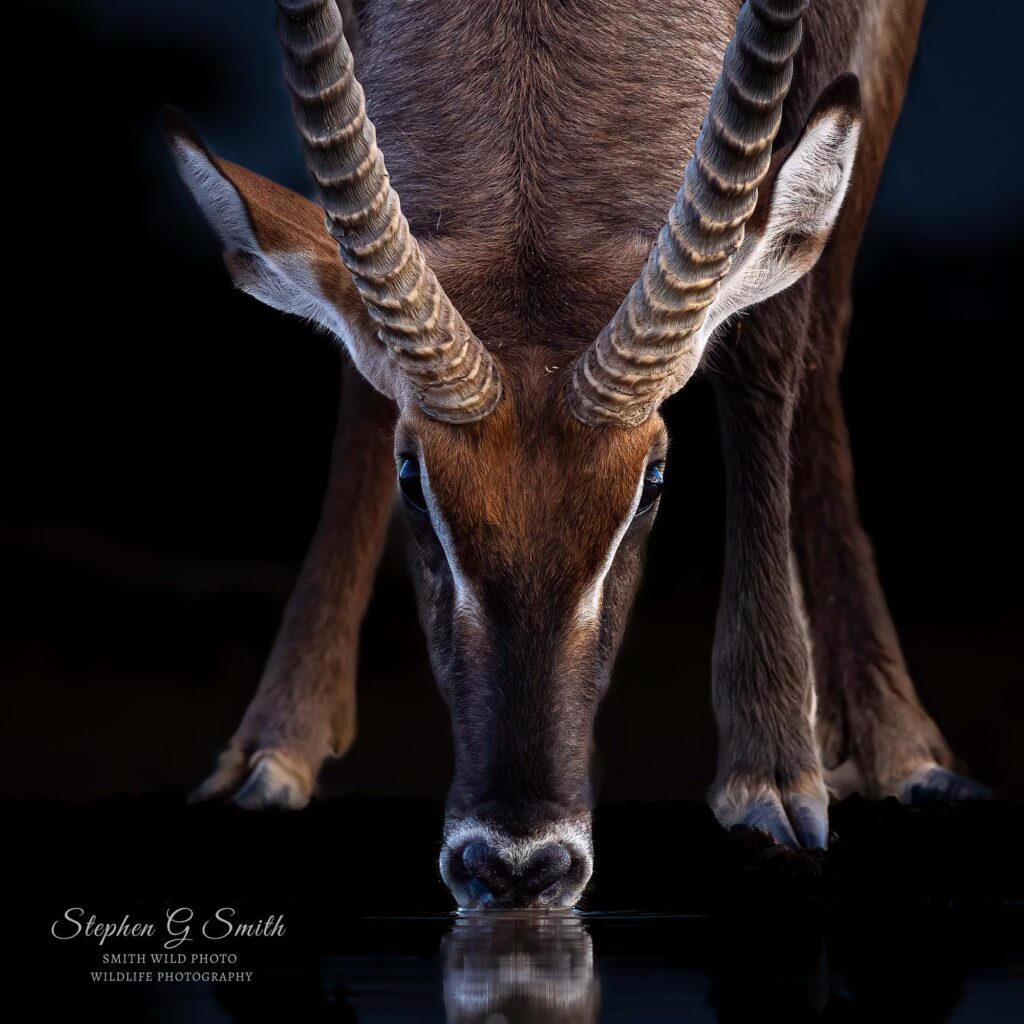
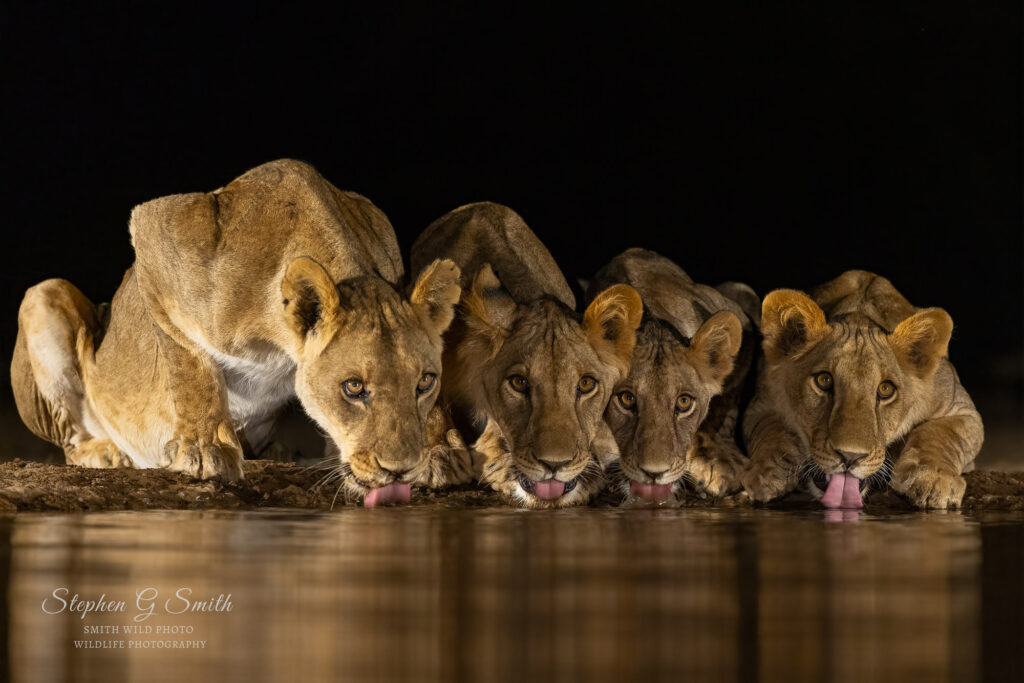
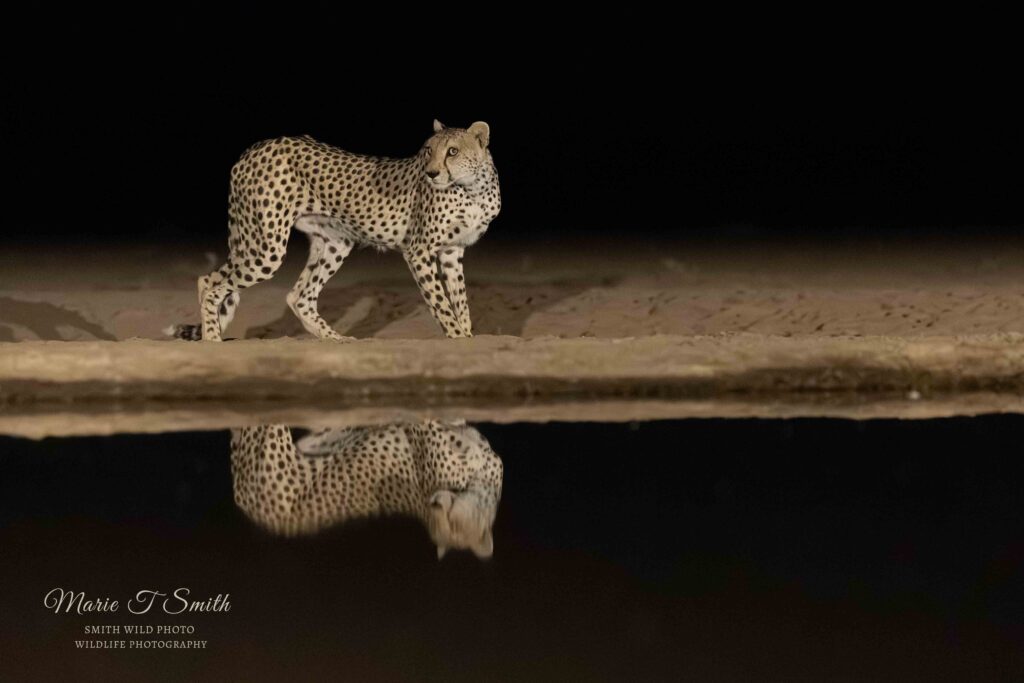
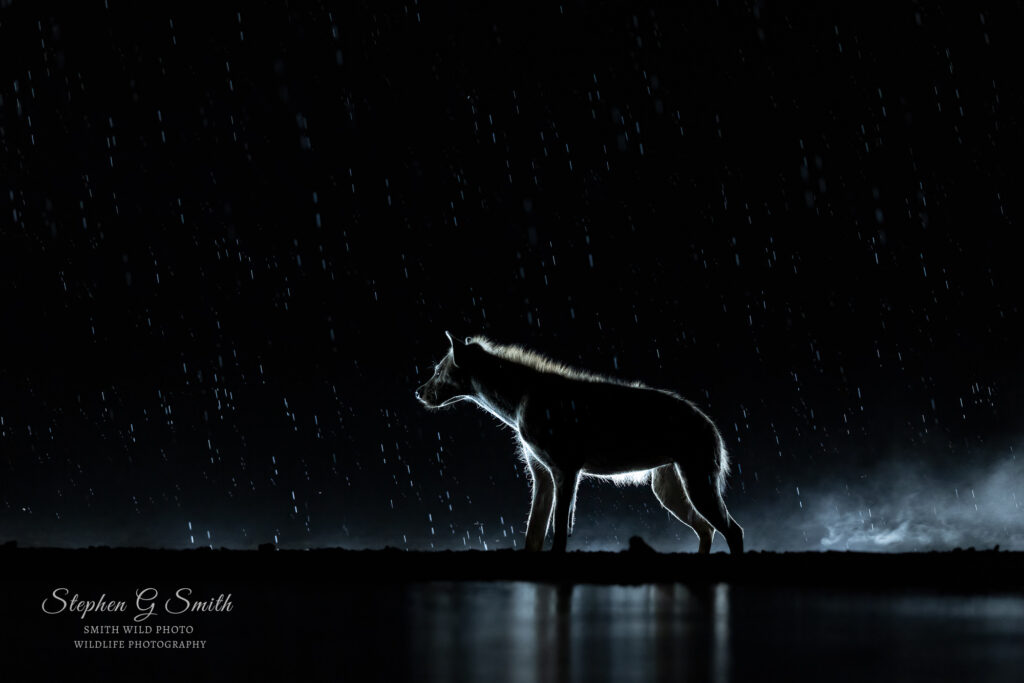
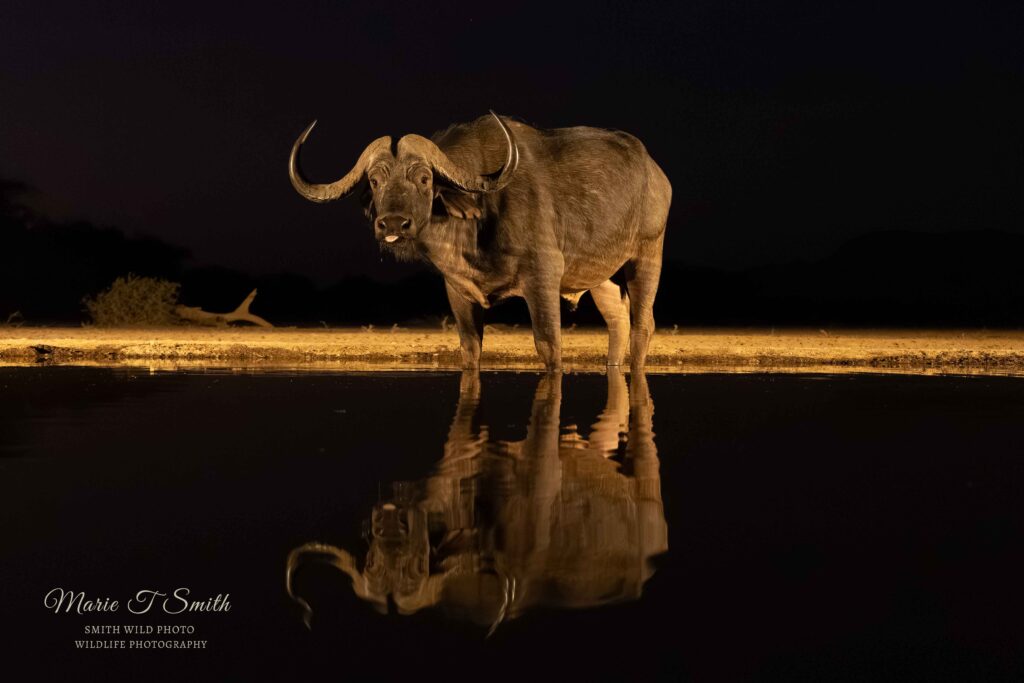
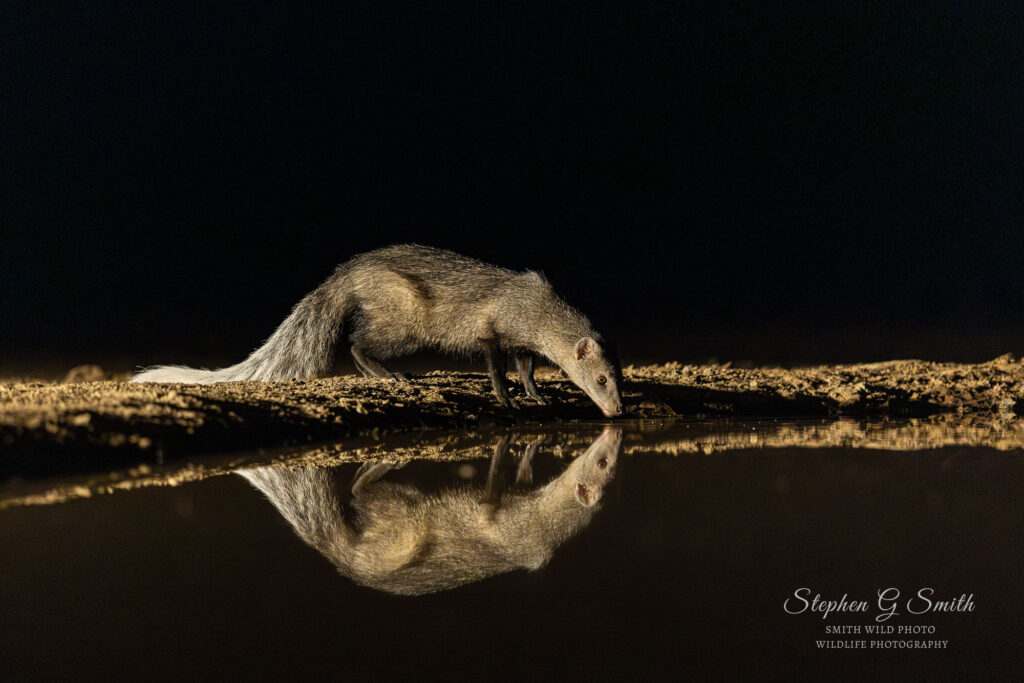
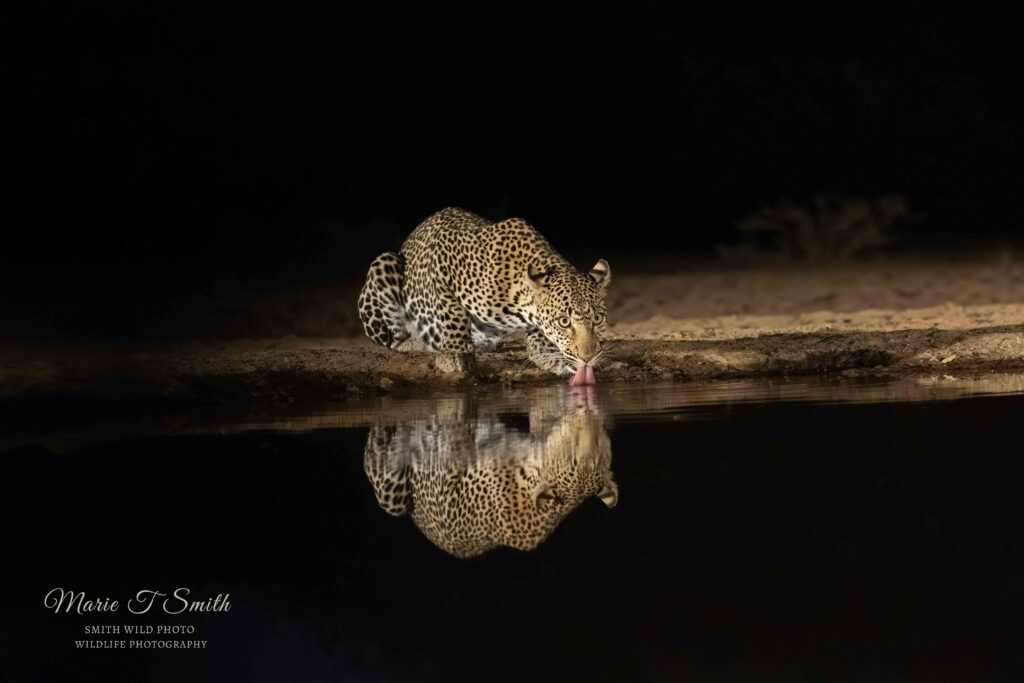
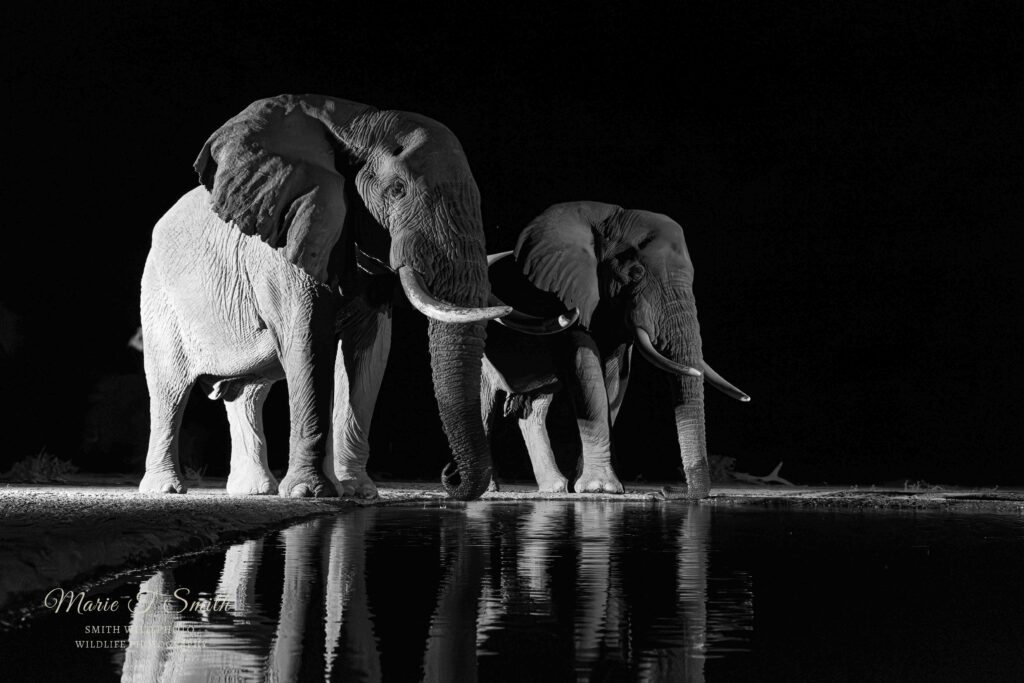
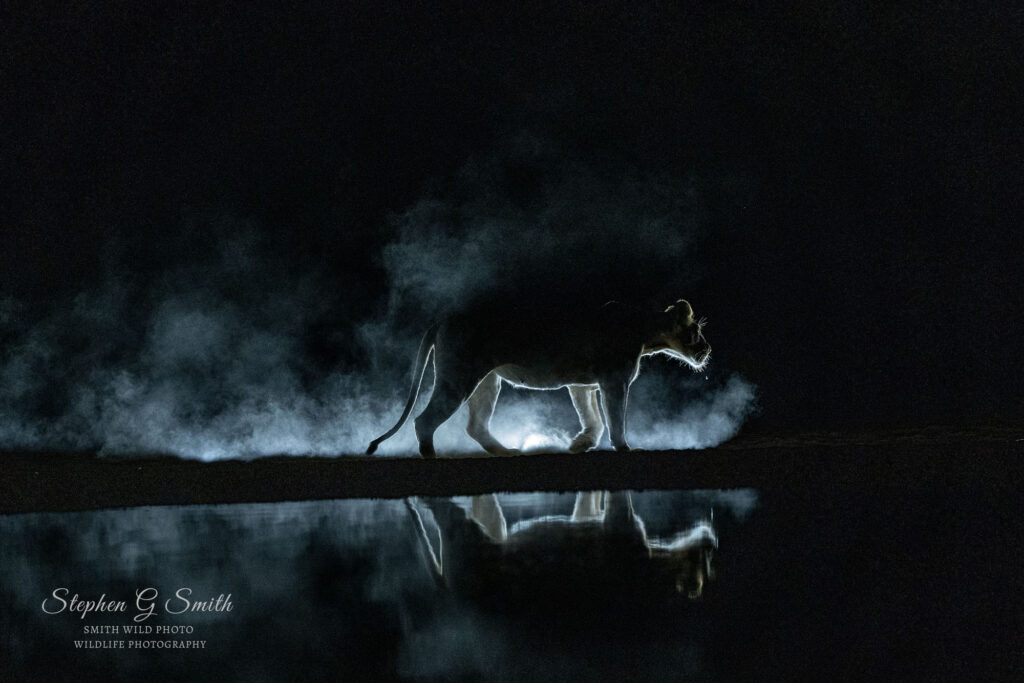
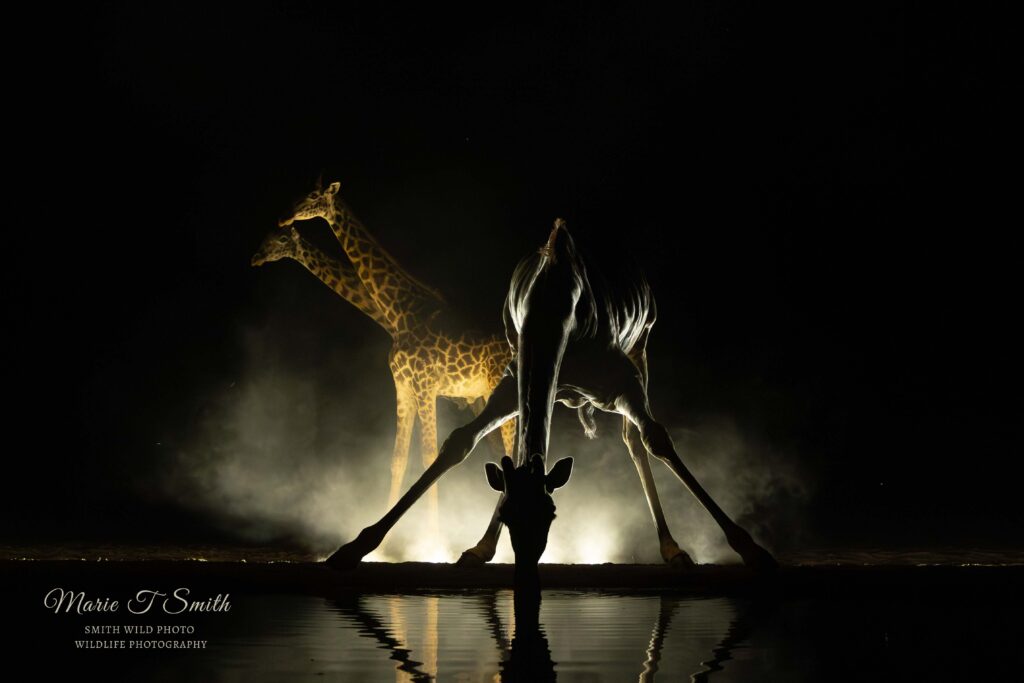
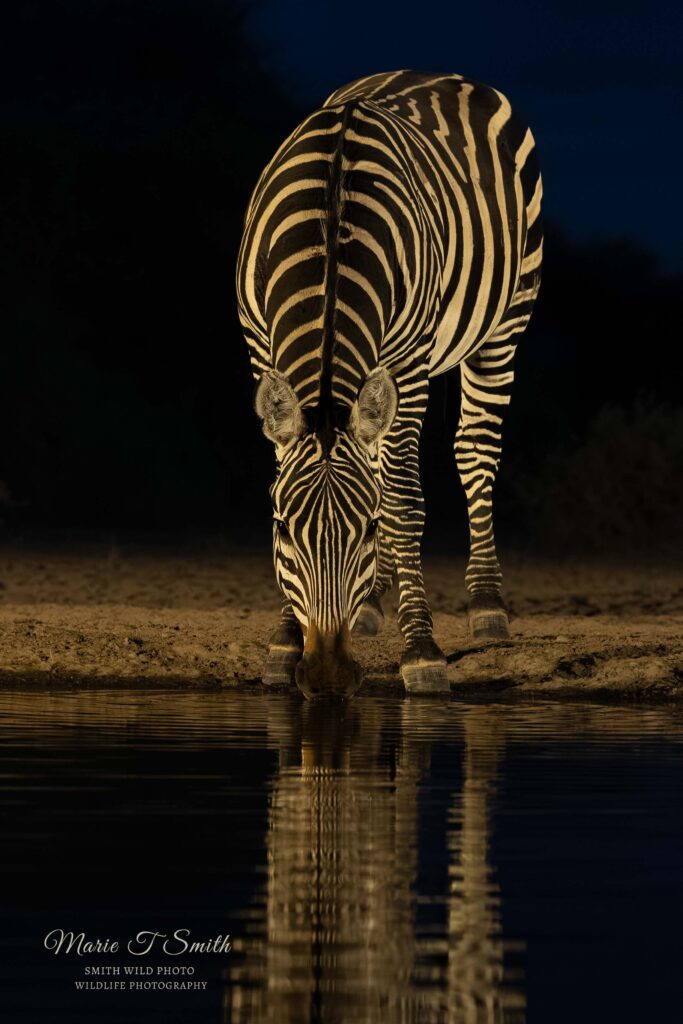
The whole show was incredible. No matter which theatre we were in, there was plenty to see. Including animals who simply wouldn’t hang out together, by choice, cautiously drinking from either end of the waterhole. Sharing their lifeline. Calling a brief truce.
Some nights there was barely time to sleep! There are bunk beds. But there’s nothing more likely to bring in a leading lady than deciding to nip out for a power nap.
Psst! Marie! Lions….
Aim high
This trip also offered the chance to take a “doors off” helicopter ride over the nearby lakes. The key thing here is not so much about scenic aerial photography, although flying over the plains hide and kichaka hide, taking in the small communities who live side by side with the wildlife was pretty breathtaking.
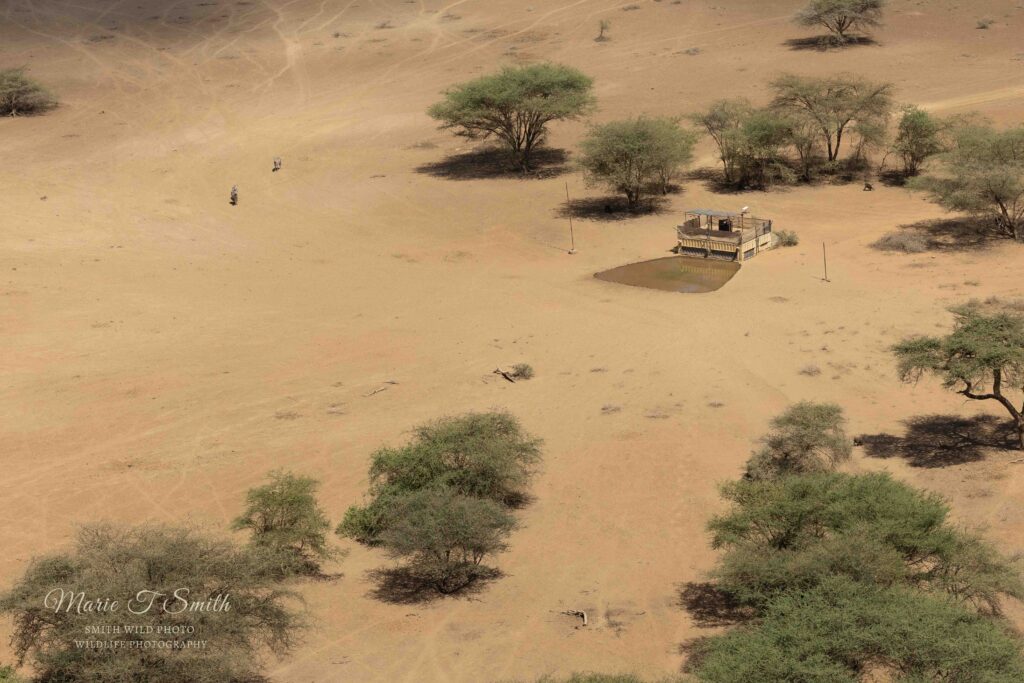
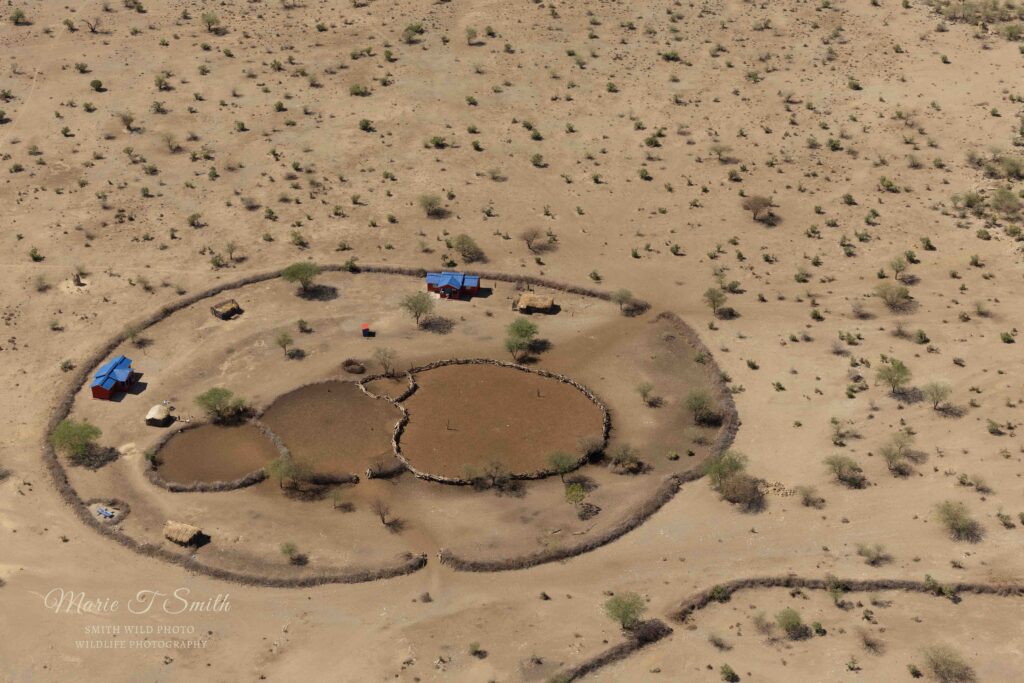
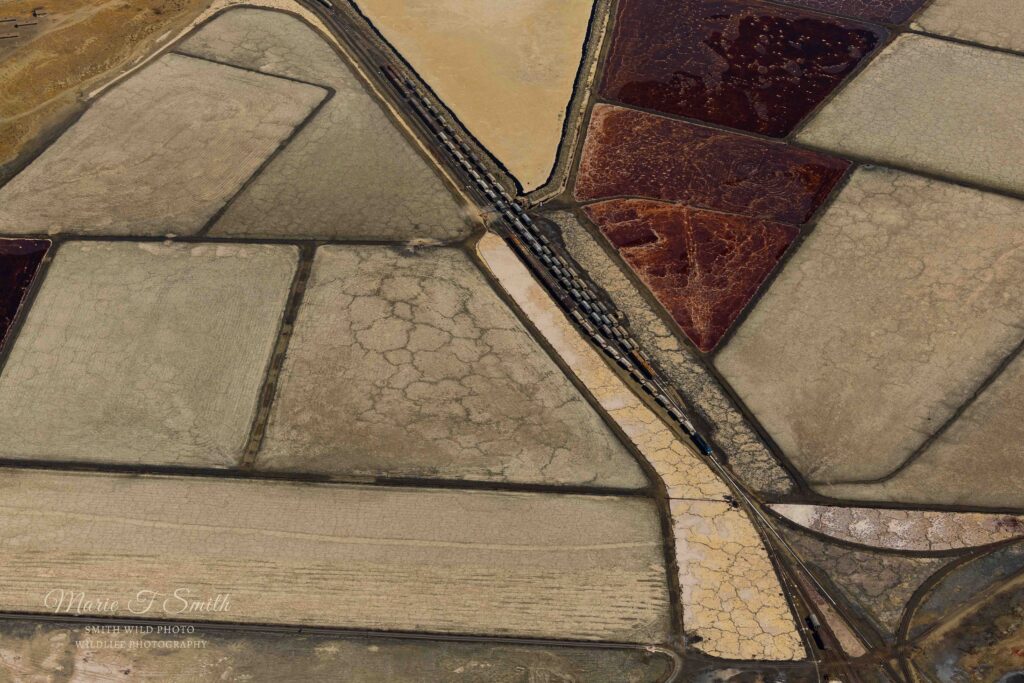
No, this was as much about the patterns that are formed by flamingos over the magnificent colours formed in the lake. And the very lakes and tributaries themselves.
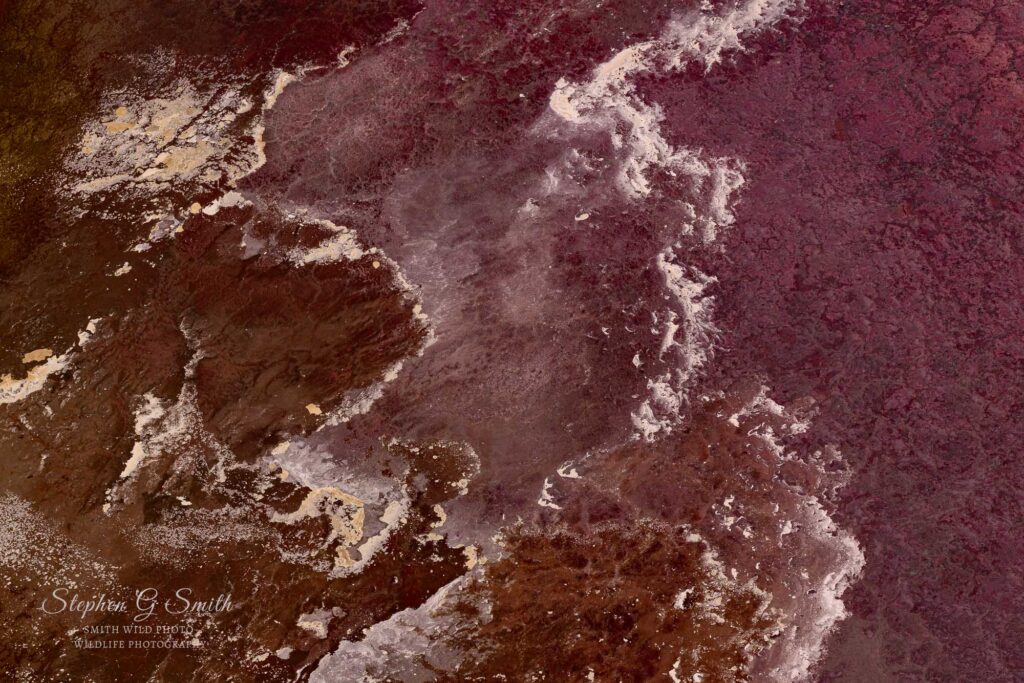
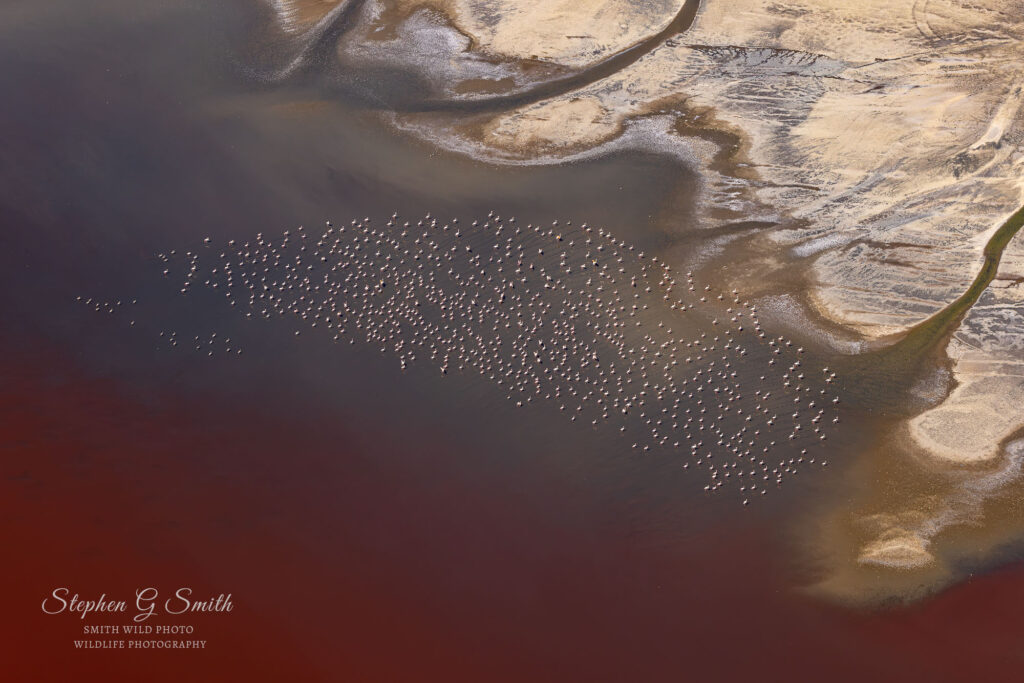
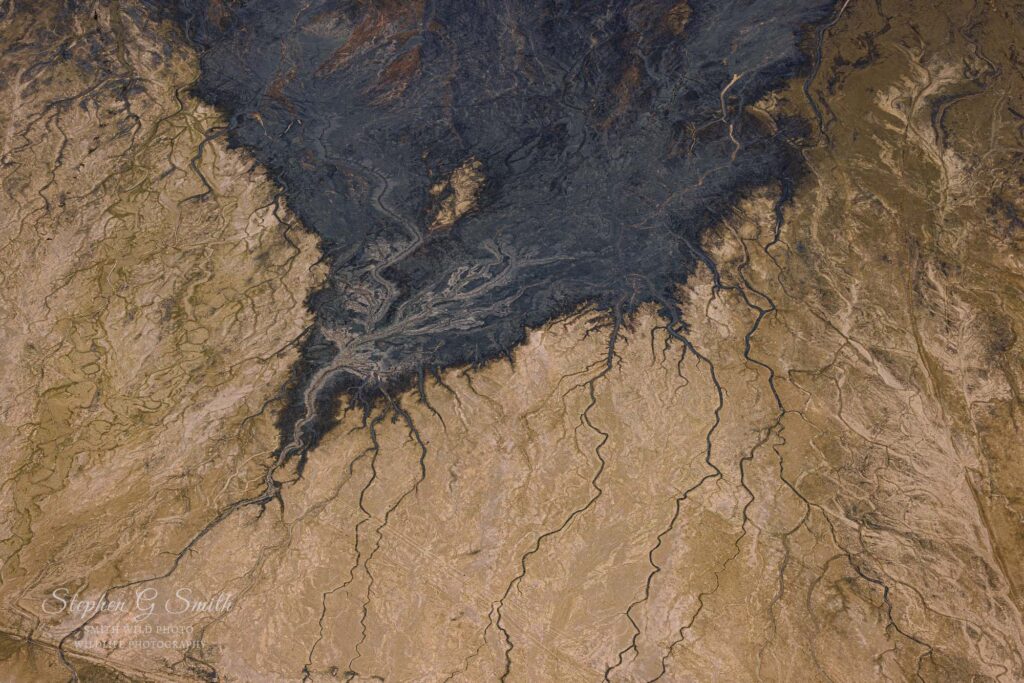
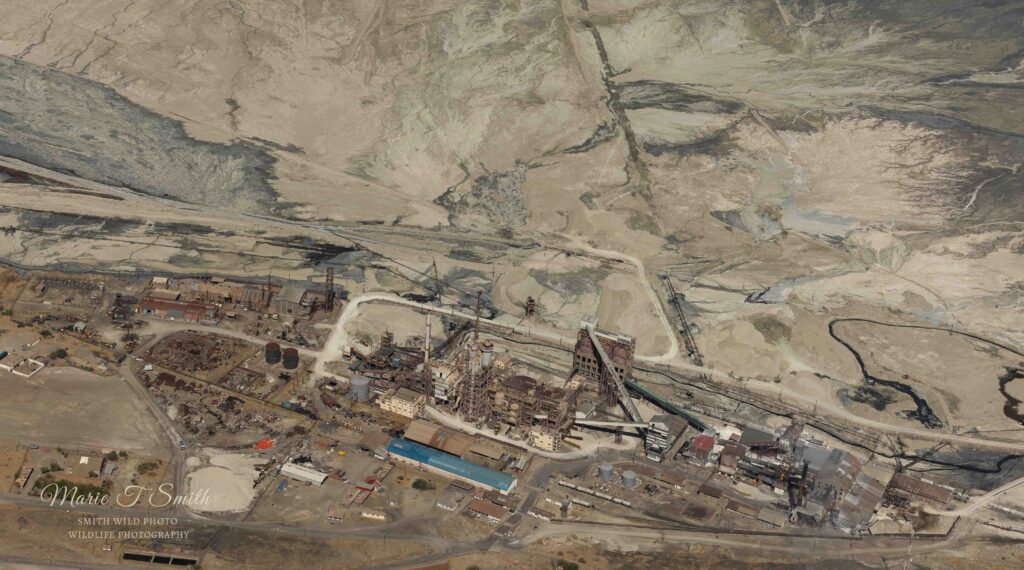
And the added bonus, for our flight, was flying over the mineral extraction factory. Like a scene from Mad Max. The juxtaposition of wild meets industry is still imprinted – even without photos.
It really was a memorable trip, in every possible way. The pace and adjustment to different sleep patterns can be challenging. With two hides we had the opportunity to overnight almost every night if we chose to (an opt out at 11pm was welcome occasionally). Chuck in the need to manage a health condition with regulated pill and food stops and that makes it a bit more interesting. But we wouldn’t swap any of it.
We set out to return to the country, Kenya, where it all began. And try something different. It’s fair to say we did that, with bells on. Thanks to Mark and Dave at Natures Images, the staff and guides at Ol Tukai Lodge and (especially) at Shompole Wilderness Camp – plus a fabulous group all round – we have brought home some pretty awesome memories. And not all of them RAW files.
Epilogue – RIP Craig 1972 – 2026
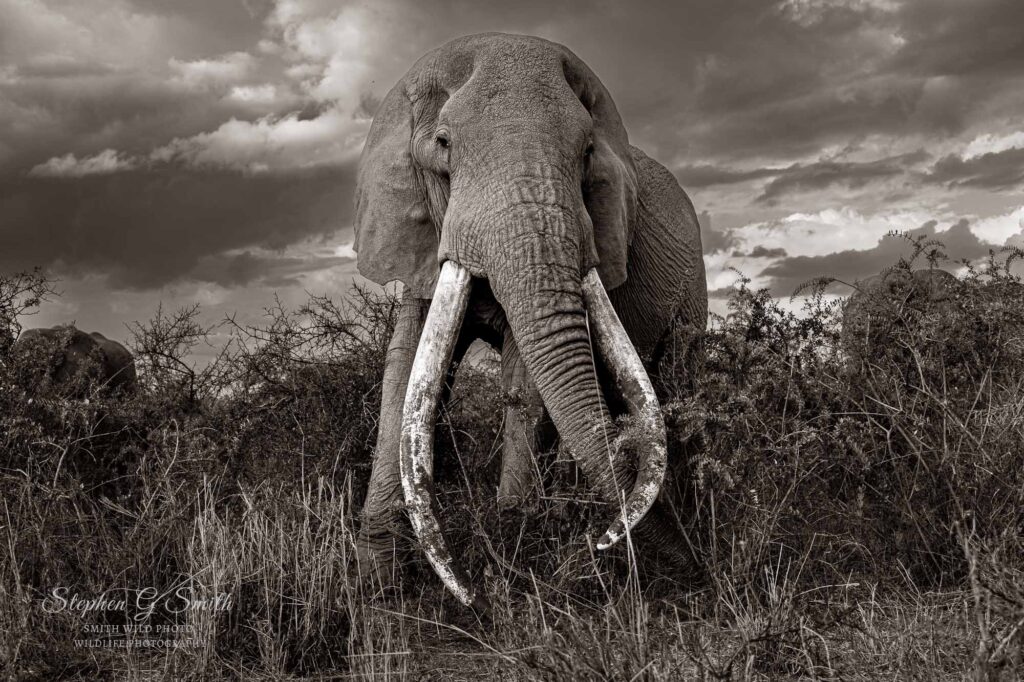
We can’t end this report without mentioning Craig. The iconic large tusker who must have been on almost every photographer’s bucket list. In our “divide and conquer” approach, Stephen got to be the one to get up close and personal with him. At 54 years old, he was showing his age. But very much the gentleman. That’s Craig – not Stephen. He was indeed calm, the good natured bull elephant he was noted for.
He sadly passed away, on 3rd January, aged 54, with the Big Life Foundation rangers, and the Masai community he shared his range with, with him until the end.